

.png)
Outdoor Furniture for Villas in Spain: Complete Sets
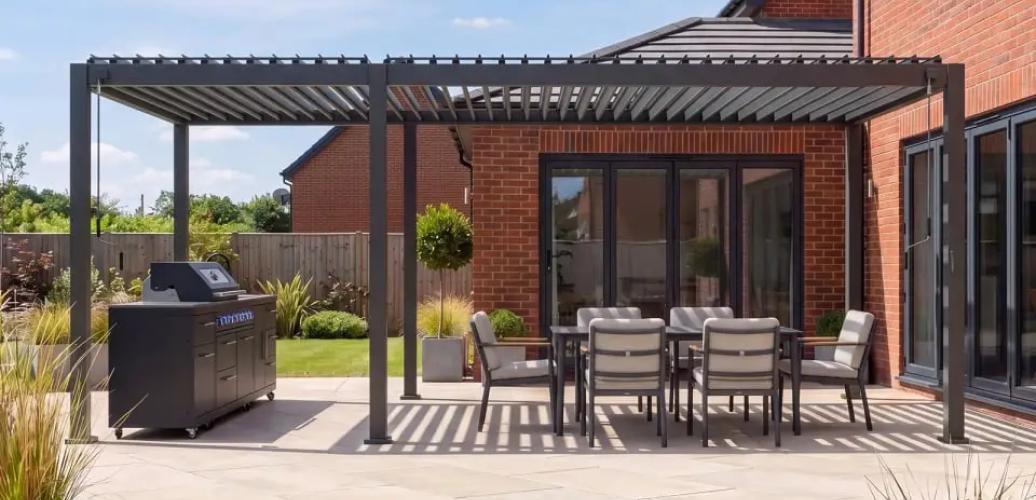
A villa on the Costa del Sol rarely has just one outdoor space. There's usually a shaded dining terrace, a lounge area, and a pool surround, sometimes all leading into one another around the same building. That changes what outdoor furniture for a villa in Spain actually needs to do. It has to work across several zones, hold up to relentless sun and salt air, and look coherent from one end of the terrace to the other.
Most garden furniture guides assume a single small patio and a modest budget. Villa owners need something more joined-up, whether they live in Spain full-time, split their year between countries, or manage a second home for holiday lets. This guide walks through outdoor furniture for a villa in Spain zone by zone: dining, lounge, poolside, and shaded structures. That way you can plan a complete terrace set rather than buying piece by piece.
Why Villas in Spain Need a Different Approach to Outdoor Furniture
A typical UK garden has one patio and one furniture set. A Spanish villa terrace is a different proposition entirely. It often wraps around the house, steps down towards a pool, and includes at least two or three distinct areas that get used at different times of day.
That scale means generic advice about "a table and some chairs" doesn't go far enough. Villa terrace furniture in Spain has to suit dining under a pergola, lounging by the pool, and evening drinks somewhere shaded. Often all on the same property.
Expats and second-home owners have an added concern: the property sits empty for weeks at a time. Furniture left exposed to intense UV, salt-laden air, and sudden summer storms needs to survive with minimal upkeep between visits.
How Villa Terraces Differ from Standard Gardens
Standard gardens are usually planned around one seating area near the back door. Villa terraces are planned around movement: from kitchen to dining table, from lounge to pool, from shade to sun.
That means furniture choices have to consider sightlines and flow, not just comfort. A large terrace also tends to be viewed from above, from balconies or upper floors. So the overall layout matters as much as any single piece.
Planning a Complete Outdoor Set for a Spanish Villa Terrace
Before ordering anything, it helps to map the terrace as a series of rooms rather than one open space. Each zone earns its own furniture, materials, and scale.
Mapping Your Terrace Zones Before You Buy
Start with the obvious three: a dining zone near the kitchen or barbecue, a lounge zone for relaxing in the shade, and a poolside zone for sun loungers and quick-dry seating.
On a large terrace, add a fourth if space allows: a bar or entertaining corner, especially useful for villas that host regularly. Measure each zone before you buy. Skip this step and you risk ordering one big dining set that dominates the whole space, leaving nowhere for guests to sit informally.
Materials That Suit the Costa del Sol Climate
Material choice matters more here than in a typical UK garden. The Costa del Sol combines strong UV, salt air near the coast, and long dry summers followed by occasional heavy autumn rain.
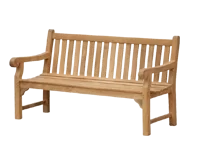
Rattan and aluminium remain the two most requested materials for Spanish coastal properties. Both resist salt air and intense UV far better than untreated softwoods. Aluminium frames don't rust, and good-quality synthetic rattan doesn't fade or crack the way lower-grade weaves can. Teak sits alongside them as a premium option, particularly reclaimed teak, which weathers naturally rather than needing constant treatment.
For a deeper look at how these two hold up against each other, it's worth reading a guide comparing rattan and aluminium for Spanish terraces before committing to a full set.
Dining Zones: Casual and Formal Villa Terrace Furniture
Most villas need two levels of dining furniture: something casual for daily meals, and something that can host a full table of guests for a longer Mediterranean evening.
Rope weave dining sets suit the casual end of that spread well. They're comfortable enough for long lunches, weather-resistant, and visually softer than an all-metal set. For more formal terraces, reclaimed teak tables are a strong choice. Owners often pick reclaimed teak for villa dining terraces because it weathers to a silvery grey patina that suits Mediterranean stone and tiled surrounds. The table only improves with age rather than needing protection from it.
If rope weave catches your interest for more than the dining table, the rope weave furniture guide covers lounge and poolside options built from the same material.
Choosing a Bar Dining Set for Entertaining
For villas that entertain often, a bar-height dining set earns its space, especially on a terrace overlooking the pool. Raised seating suits evening drinks and canapés better than standard dining height. It also gives guests a reason to gather away from the main table without leaving the terrace altogether.
A bar set works particularly well as a secondary zone next to an outdoor kitchen or barbecue area, keeping the main dining table free for sit-down meals.
Poolside and Sun Lounger Furniture for Villa Terraces
Pool surrounds face the harshest conditions on the whole terrace: constant sun, splashed chlorine or saltwater, and frequent contact with wet skin and swimwear. Furniture here needs to dry quickly, wipe down easily, and resist fading.
Sun loungers are the obvious centrepiece, but the wider poolside zone also benefits from a couple of low tables and, where space allows, a shaded double lounger for anyone avoiding direct sun for part of the day.
Teak vs Rope Weave Loungers by the Pool
Teak loungers handle pool chemicals and saltwater well, and their natural weathering means the occasional splash doesn't show. They do need periodic oiling to keep their colour, though many owners let them silver naturally instead.
Rope weave loungers offer a lighter, more contemporary look, with quick-drying weaves and cushions designed for outdoor use. They're generally easier to move around the pool edge than solid teak, which matters if you rearrange the space for different numbers of guests.
Either material works well by the pool. The choice usually comes down to look, weight, and how much upkeep you want to build into your routine.
Shade and Structure: Pergolas, Gazebos and Lounge Areas
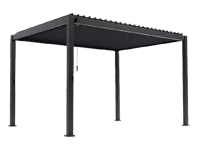
A large terrace usually needs somewhere out of direct sun that isn't just a parasol. This is where a pergola or gazebo earns its place as the anchor of the lounge zone.
Structures also do useful work beyond shade. They define the lounge area visually, giving guests a clear sense of where to sit rather than leaving low furniture scattered across an open terrace.
Hardtop vs Fabric Pergolas for Spanish Sun
Hardtop pergolas offer year-round shelter and stand up well to both the summer sun and heavier winter rain. That makes them a practical choice for villas used throughout the year. Fabric pergolas and gazebos cost less and suit seasonal use, though the fabric will need replacing more often under strong Spanish sun than a hardtop roof would.
For villa terraces that host regularly, a hardtop structure over the main lounge or dining area tends to pay for itself in reduced wear over a few seasons. The guide to hardtop, fabric and aluminium gazebos runs through the full range and how each performs across a Spanish summer.
Buying and Maintaining a Full Outdoor Set in Spain
Furnishing a full villa terrace is a bigger project than buying a single set. Logistics matter as much as the furniture itself, particularly if you're working to a deadline before guests or a holiday let booking arrive.
Delivery Across Costa del Sol, Spain, Portugal and France
Garden Furniture Spain has operated since 2008, with a showroom in Estepona, Málaga, and three warehouses, two in the UK and one in Madrid, stocking over 2,600 product types. That range means dining, lounge, poolside and shade furniture can usually be sourced and delivered as one coordinated order rather than several separate ones.
Next-day delivery on the Costa del Sol is available for many items, which matters when you're furnishing multiple terrace zones ahead of peak season or a guest arrival. Full details on coverage and timescales are in the piece on next-day delivery on the Costa del Sol. Delivery also extends further afield across Spain, Portugal and France for villa owners outside the immediate coastal area.
Visiting the Estepona showroom in person is worth it for a full terrace project. Seeing materials and finishes side by side makes it far easier to plan colour and style across dining, lounge and poolside zones at once, rather than guessing from photos.
Keeping Furniture Looking New Year-Round
A Mediterranean climate is kind to outdoor furniture in some ways and hard on it in others. Long dry summers mean less mould and rot, but intense UV fades colours and dries out natural fibres faster than in northern Europe.
Rattan needs occasional cleaning and, for the best-quality synthetic weaves, very little else, though shade during the hottest months helps colour retention. The piece on caring for rattan furniture in Spanish sun covers the specifics. Teak needs periodic oiling if you want to keep its honey tone, or none at all if you're happy to let it weather to grey. The teak oiling and cleaning guide sets out both routes in more detail.
Cushion covers and fabric elements benefit from being brought indoors or covered during long absences, especially over winter when villas often sit empty for weeks.
Planning a full terrace, from dining table to sun lounger to shade structure, is easier with everything laid out in one place. Book a visit to the Estepona showroom or request a tailored quote to put together a complete outdoor set matched to your villa's zones, climate exposure and style.
0 comment(s)