
.png)
Garden Gazebos in Spain: Hardtop, Fabric & Aluminium
Searching for a garden gazebo in Spain usually turns up the same problem: most guides use "gazebo" and "pergola" interchangeably, and few mention wind or planning rules that actually matter here. On the Costa del Sol, those details decide whether a structure survives its first winter storm or needs council sign-off before it even goes up. Garden Furniture Spain has supplied pergolas and gazebos to Costa del Sol villa owners since 2008. We hold stock across three warehouses, two in the UK and one in Madrid, for fast delivery. This guide covers the practical side: materials, wind ratings, and what to check before you buy.
Gazebo or Pergola? Why the Difference Matters for Spanish Gardens
A gazebo is a self-contained structure with its own roof, usually a hardtop or tensioned fabric canopy, standing on its own frame. A pergola is normally attached to a wall or built as an open lattice. It's often designed to carry climbing plants or a retractable canopy rather than a solid, weatherproof roof of its own.
That distinction matters more in Spain than in cooler climates. Many Spanish gardens are patios, roof terraces, or pool areas rather than open lawns. These spaces often call for a fixed, wind-resistant shelter rather than a freestanding fabric tent that shifts with every gust.
Key structural and planning distinctions
A gazebo stands independently. Pop-up models can be moved; hardtop versions get bolted down permanently. A pergola is usually fixed to the property from the outset, which can bring it closer to local building regulations.
The choice affects material too. A structure meant to stay outdoors year-round near the coast needs a frame and roof built for sun, salt air, and wind. A weekend or seasonal gazebo can prioritise portability instead.
Types of Garden Gazebo Available in Spain
Three broad categories cover most needs: hardtop, fabric-roof, and pop-up gazebos. Each suits a different budget, lifespan, and use case.
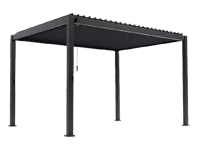
Hardtop gazebos use a rigid roof, typically polycarbonate or coated steel panels, on an aluminium or steel frame. They're built to stay outdoors permanently and generally last many years with minimal maintenance. Fabric-roof gazebos use a tensioned canopy, usually polyester or acrylic, on a fixed or semi-fixed frame. They cost less than hardtop models but need the canopy replaced periodically as UV exposure wears the fabric.
Pop-up gazebos fold flat for storage and transport. They're the cheapest option and suit events, markets, or short-term shade rather than permanent villa gardens.
Across all three types, aluminium framing has become the dominant choice in Spain. It doesn't rust, stays light enough to handle, and holds a powder-coated finish well through years of strong sun.
Hardtop Gazebo Spain: Built for Sun and Storms
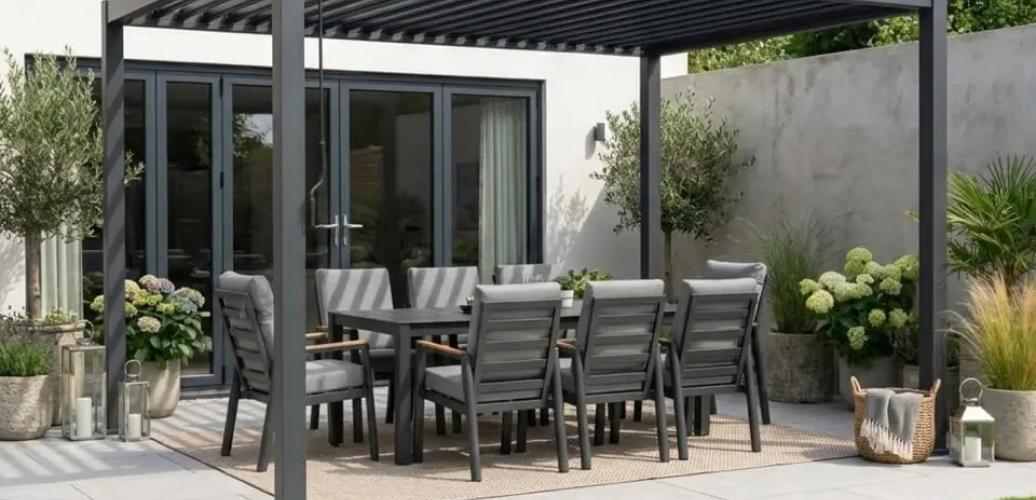
A hardtop gazebo suits a permanent garden gazebo Spain buyers plan to leave up through both summer heat and winter storms. The solid roof sheds rain properly, unlike fabric canopies that can pool water. It also blocks UV far more effectively over time. For villa gardens, pool terraces, and outdoor kitchens, hardtop is generally the sturdiest long-term option.
Pop Up Gazebo Spain: Temporary and Portable Options
A pop up gazebo in Spain works well for renters, short lets, or anyone who wants shade for a season rather than a decade. It packs away for winter storage, needs no fixings into a terrace or patio, and avoids most of the planning questions that come with a permanent structure. The trade-off is durability: pop-up frames and canopies aren't built to withstand sustained coastal wind unmanaged.
Aluminium vs Steel vs Timber Frames: Which Survives the Mediterranean Climate?
Frame material is the single biggest factor in how long a gazebo lasts in Spain. Coastal properties in particular put frames under constant stress from salt air, intense UV, and periodic strong wind.
Powder-coated aluminium frames resist the salt-air corrosion common within a few kilometres of the Mediterranean coastline far better than untreated steel. Aluminium doesn't rust, so it holds up in humid, salty conditions without the ongoing maintenance steel demands. It's also lighter, which makes assembly and any repositioning more manageable.
Steel frames, if properly galvanised and powder-coated, can perform well too. They generally offer more rigidity for very large structures. Left untreated or poorly coated, though, steel corrodes quickly this close to the sea. Timber has the most natural aesthetic and suits inland or shaded gardens well, but it needs regular treatment against UV and moisture. In coastal humidity it demands more upkeep than either metal option.
For a permanent garden gazebo Spain owners intend to leave outdoors year-round, powder-coated aluminium is generally the most practical choice. It balances corrosion resistance, weight, and appearance without the ongoing maintenance schedule timber requires.
Wind Ratings and Weatherproofing for a Garden Shelter in Spain
Spain's coastal winds aren't uniform, and that catches a lot of buyers out. The levante and poniente winds that sweep the Costa del Sol can bring sustained gusts well beyond what a budget gazebo, built for a milder climate, is designed to handle.
A villa with an exposed roof terrace near the coast needs a different wind-rating approach than a walled garden further inland, even within the same Costa del Sol postcode. Elevation, exposure, and shelter from surrounding buildings or walls all change how much wind a structure actually experiences.
What Wind Rating Should You Look For on the Costa del Sol?
Look for a manufacturer-stated wind rating rather than assuming any gazebo will cope. Exposed, elevated, or coastal-facing positions call for a higher-rated structure and a proper anchoring kit, whether that's ground stakes, weighted bases, or bolted fixings into a hard patio surface.
Canopy tension matters too. A loose or poorly tensioned fabric roof catches wind like a sail, putting far more strain on the frame than a taut, correctly fitted canopy. Hardtop roofs remove much of this risk, which is part of why exposed sites favour them.
Planning Rules and Practical Placement for an Outdoor Gazebo on the Costa del Sol
Whether you need permission for an outdoor gazebo on the Costa del Sol depends largely on how permanent the structure is. A freestanding pop-up or lightweight fabric gazebo generally avoids planning questions altogether, since it isn't fixed to the property and can be removed.
A permanent hardtop structure is a different matter. Depending on size, position, and your municipality, it may fall under local licencia de obra requirements, the building permit process that applies to fixed garden structures in Spain. Rules vary between town halls, so check with yours before installing anything permanent.
Many Spanish urbanisation communities require sign-off from the community administrator or town hall before a fixed hardtop structure goes up, even when the plot itself is privately owned. This applies particularly in gated developments with shared exterior guidelines. Checking early avoids the cost and hassle of altering or removing a structure after the fact.
Choosing the Right Garden Gazebo for Your Spanish Property
The right choice comes down to four practical questions: how permanent do you want it, what's your budget, how much space do you have, and what look suits your garden.
A permanent villa garden with a pool or outdoor kitchen usually calls for a hardtop aluminium gazebo, built to handle both sun and coastal wind without ongoing maintenance. A rented property or seasonal outdoor space often suits a pop-up or fabric-roof option better, since it avoids fixings and planning questions entirely. On cost, gazebos generally sit below bespoke pergolas. Pergolas are typically custom-built and permanently fixed, while gazebo ranges include ready-made options across several price tiers.
Matching Frame and Roof to Your Garden Style
Aluminium frames come in finishes that suit most Mediterranean-style gardens, from anthracite to lighter tones that echo natural stone or render. Roof choice should match how you use the space: a hardtop for year-round shelter and dining, a fabric canopy where you want a softer look and don't mind replacing the roof every so often.
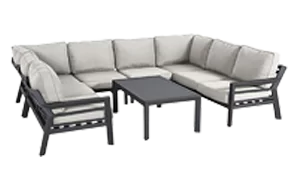
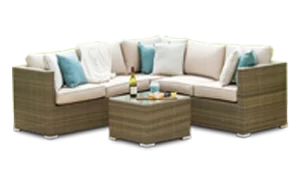
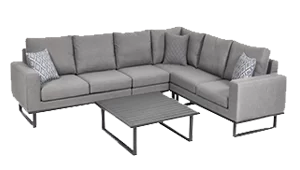
Once the shelter's in place, it's worth thinking about what goes underneath it. For patio dining spaces, rope weave dining sets for under a hardtop gazebo suit the Mediterranean look well, and pairing rattan furniture with your gazebo is a popular way to finish the space.
Customers can view hardtop and aluminium gazebo frames in person at the Estepona showroom before committing to a permanent garden structure. For anything bespoke, or if you need a delivery date confirmed against a specific project timeline, browsing the current range online or requesting a quote is the quickest way to move forward.
0 comment(s)