

.png)
Best Materials for Autumn Weather

Best Materials for Garden Furniture That Lasts: aluminium furniture
Autumn brings cooler temperatures, damp days and stronger winds — conditions that test the durability of outdoor furniture. Choosing the right materials will keep your garden looking great and reduce maintenance throughout the season. Here’s a practical guide to the best materials for autumn weather, why they work well, and what to consider when buying.
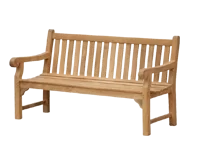
Teak — natural durability and low maintenance. Teak is a top choice for autumn. Its natural oils resist moisture, rot and insect damage, so it weathers damp conditions with minimal care. Left untreated, teak develops an attractive silver-grey patina; if you prefer the original honey tone, apply teak oil or a protective sealant annually. Teak’s strength also makes it ideal for heavier winds and frequent use.
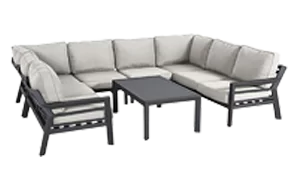
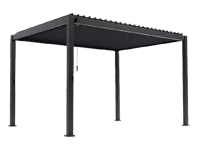
Aluminium — lightweight, rustproof and sturdy. Powder-coated aluminium furniture is rustproof and stands up well to wet weather. It’s lighter than steel, which can be a plus for moving items indoors quickly, yet robust when well-designed. Look for furniture with reinforced frames and quality powder coating to prevent chipping. Aluminium pairs well with quick-dry cushions and synthetic fabrics for low-maintenance autumn seating.
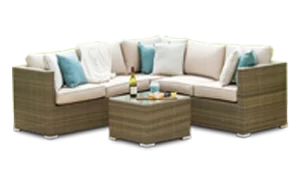
Synthetic rattan (HDPE) — weatherproof and stylish. High-density polyethene (HDPE) synthetic rattan mimics the look of natural wicker without the vulnerability to moisture. It’s UV-resistant, doesn’t split or rot, and drains well, making it perfect for autumn’s damp conditions. Combined with aluminium or steel frames, HDPE wicker offers stylish lounges and dining sets that require little upkeep beyond occasional cleaning.
Stainless steel — modern and resilient. For contemporary designs, stainless steel is an excellent option. It resists corrosion much better than ordinary steel and maintains structural integrity in wet, windy weather. Grade 304 or 316 stainless steel is recommended for coastal areas where salt can accelerate corrosion. Finish and weld quality matter — choose reputable brands to ensure longevity.
Teak alternatives — acacia and eucalyptus. Hardwoods like acacia and eucalyptus are more affordable alternatives to teak and can perform well in autumn if properly maintained. These woods generally need regular oiling or sealing to prevent moisture absorption and staining. They’re a good middle ground if you want natural wood aesthetics without teak’s price tag.
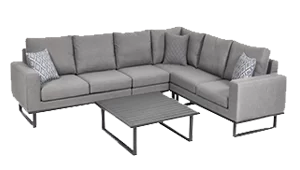
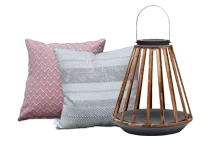
All-weather fabrics — comfort without the fuss. Cushions and upholstery exposed to autumn damp need to be quick-drying and water-resistant. Look for cushions with quick-dry foam and covers made from polyester, solution-dyed acrylic (like Sunbrella), or other water-resistant fabrics. These materials resist mildew, maintain colour in low light and can often be removed for washing. Invest in breathable covers to prevent trapped moisture and mould if indoor storage isn't possible.
Plastic and recycled materials — practical and eco-friendly. High-quality moulded plastic and recycled-polymer furniture can be very weather-resistant and easy to care for. These pieces won’t rot or rust and are simple to wipe down after a rainy spell. Choose UV-stabilised plastics to avoid fading and brittleness during season changes.
Glass and stone tabletops — durable with caution. Glass and durable stone tops (ceramic, porcelain) work well for autumn dining sets — they’re easy to clean and don’t harbour moisture. However, avoid thin glass or poorly sealed stone in areas prone to sudden temperature shifts, which can cause cracking. Ensure secure anchoring; windy autumn storms can topple lightweight tables if not weighted.
Practical tips when choosing materials for autumn
Prioritise drainage: slatted designs and quick-dry cushions help water escape.
Look for corrosion-resistant fittings and powder-coated finishes.
Choose heavier or anchorable pieces for exposed, windy spots.
Invest in breathable, well-fitted covers instead of non-breathable tarps.
Schedule simple autumn maintenance: clean residues, dry cushions, and apply protective oils or sealants as needed.
Final thought: Selecting the right materials means less maintenance and longer-lasting outdoor furniture through wet autumns and blustery conditions. Teak, powder-coated aluminium, HDPE synthetic rattan, stainless steel, and weatherproof fabrics are all excellent choices depending on your style and budget. Combine these materials thoughtfully, and your outdoor space will stay inviting well into the colder months.
0 comment(s)